Understanding Sustainability: Balancing Economic, Social, and Environmental Well-Being for Future Generations
Sustainability refers to the ability to maintain a certain level of economic, social, and environmental well-being over the long term without depleting natural resources or harming the environment. This concept involves balancing the needs of the present generation with the needs of future generations by conserving resources, reducing waste, and protecting the environment.
Sustainability encompasses many aspects of our daily lives, including the food we eat, the products we use, and the way we consume energy. It involves making conscious decisions that minimize the negative impact on the environment, while also contributing to social and economic development.
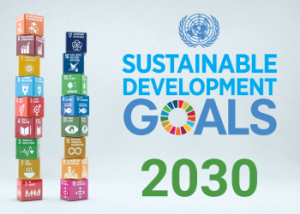
Sustainability can also refer to the practice of sustainable development, which seeks to create sustainable economic growth while minimizing the impact on the environment and promoting social equity. This approach takes into account the interconnectedness of economic, social, and environmental factors and aims to achieve a balance between them for the benefit of current and future generations.